
In 1995 I was having dinner with a group of (Roman) Catholic clergy, including one who had been recently received from the Church of England. He was still pretty angry and predicting the imminent collapse of the C of E. One of the older (and wiser?) priests counselled against such thoughts, warning that if that collapse happened, the Catholic Church would not be ready to take up the position of fronting Christianity in the UK. Twenty-five years later the C of E is much closer to collapse but I wonder whether the Catholic Church is any better prepared for the role which may well be thrust upon it. So in writing this post let it be clear that I take no delight whatsoever in the recent trends in my former home, the C of E, nor do I think that any sort of “Flaminian Gate” triumphalism is appropriate on our part.
In a recent article in the Church Times” Angela Tilby, Anglican cleric, and a thoughtful and interesting contributor on “Thought for the Day”, expressed many misgivings about the direction which the C of E was taking. She was thinking particularly of the recent target announced by the Archbishop of York for the establishment of 10,000 new churches, predominantly lay-led. This initiative is backed by New Wine and the Gregory Centre for Church Multiplication, and both organisations have a very different understanding and model of the Church from that which the C of E developed as it came out of the Reformation struggle and into the 17th century. In her article Canon Tilby quotes the Declaration of Assent: that the C of E is “part of the One, Holy, Catholic and Apostolic Church.” Which is precisely why the Anglo-Catholics in the 1990’s argued that the C of E could not change the ministry and ordain women to the priesthood and episcopate. Our concerns were rejected, often on the grounds that this was not really a fundamental change to what the C of E believed about priesthood – and in any case such a change would be subject to reception by the rest of the Christian world. At a service at St Paul’s Cathedral in 2004, Canon Tilby in her sermon still maintained that “Women priests have not unhinged the church.”
The Evangelicals in the C of E thought otherwise, which is why so many of them voted for the ordination of women, in spite of the evidence of Scripture. For they saw clearly that such ordination would distance the C of E from the Catholics and Orthodox, and complete the Reformation project. And with the Anglo-Catholics gone there has been little in the last 25 years to hold them back.
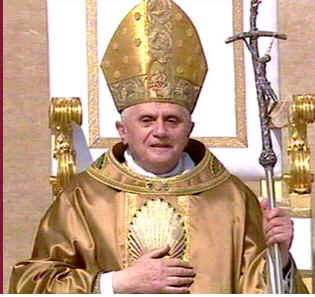
Canon Tilby is surely right when she says “These are hard times for the faith, fallow times for the C of E, with its cautious, grounded via media so needed, yet currently unwanted. ” Once again, time for careful, prayerful thinking, and difficult decisions. Pope Benedict understood the dilemma – not for dissatisfied Anglicans – but for those who saw the need for a deeper communion, real Christian unity, and above all the ministry of Peter.

 Ordinariate Pilgrim