
In the age we live in the combination of two words ‘Orphanage’ and ‘Catholic’ is enough to conjure up a dark vision of cruelty and abuse. So it was refreshing to read Bill Bryson’s account of one such orphanage in his book ‘One Summer – America 1927.’ Bryson is writing about ‘Babe’ Ruth, a baseball phenomenon of the twentieth century. In 1902 Ruth was placed by his father in the St Mary’s Industrial School for Boys in Baltimore.
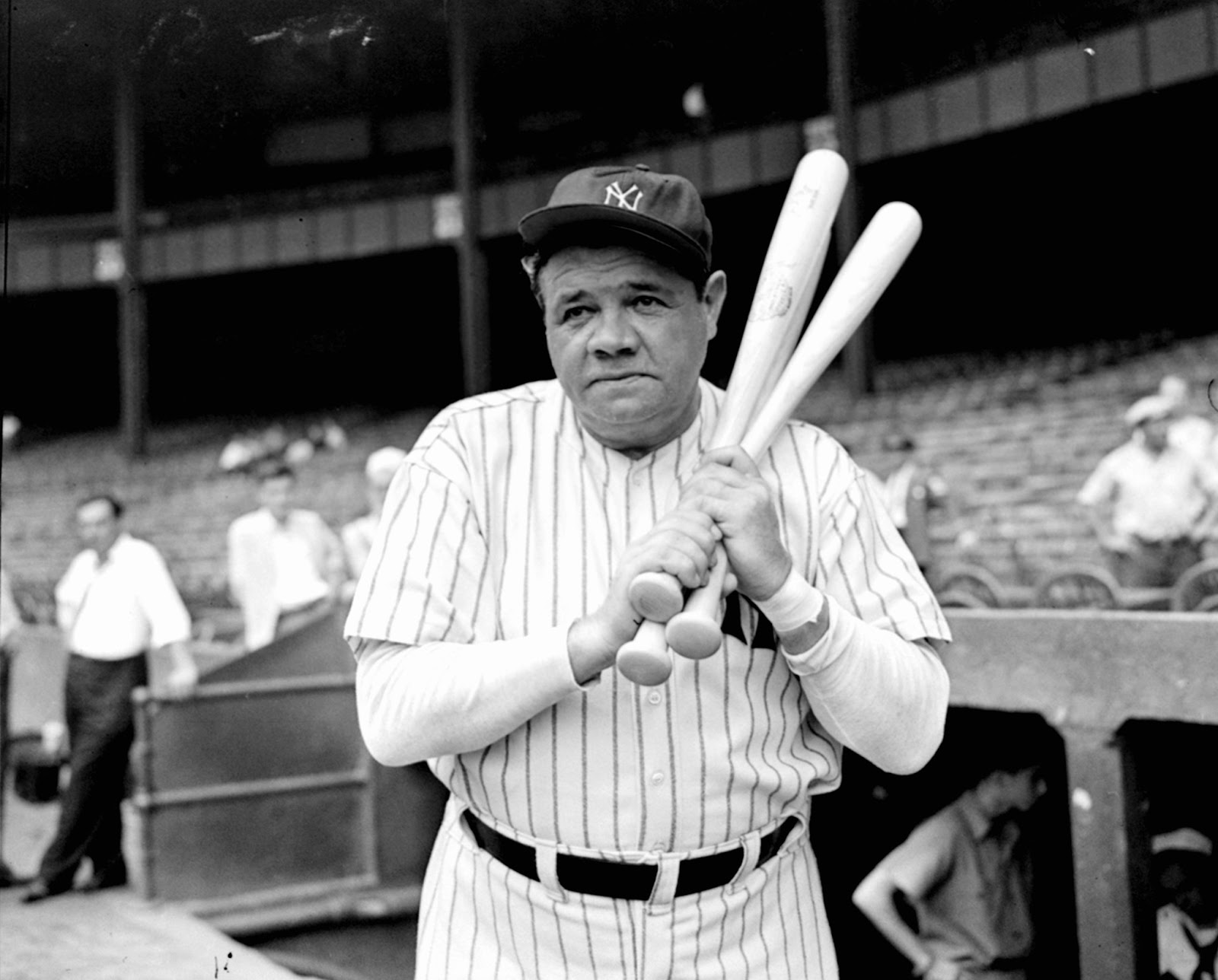
The school was run by the Xaverian Brothers, a ‘large, dark forbidding edifice’ with 850 boys. It was, writes Bryson, ‘not at all a bad place as these places go. The children were treated with dignity and even a kind of gruff affection, and they were rewarded for good behaviour with 25 cents of weekly pocket money. Boys at St Mary’s received a sound basic education and were taught a vocation. Ruth trained to be a tailor and shirtmaker, and delighted years later is showing team-mates how skilfully he could turn a cuff or collar.’
‘All the student had a history of behavioural problems; but the brothers attributed that to inadequacies of upbringing rather than any deficiency of character – a decidedly enlightened view for the time. They believed that any boy treated with decency, encouragement and respect would grow into a model citizen, and they were nearly always right. Ninety-five percent of Xaverian boys went on to live normal, stable lives.’
‘The brothers at St Mary’s were exceedingly devoted to baseball…. It was through baseball that Ruth “met and learned to love the greatest man I’ve even known” – Brother Matthias Boutilier. Of French stock from Cape Breton, Nova Scotia, Matthias was a gentle, kindly giant. He stood six feet six inches tall and weighed 250 pounds, but always spoke softly/ He was a wonderful baseball player, too, as well as a gifted coach – and in Babe Ruth he had a youngster who was both more talented and more hard-working than anyone else at the school. ‘


